
Illness or Disease can be caused by either a Virus or a Bacteria. What is the difference and how will it affect me?
Being ill or sick is something that we have all been through. Some have been so ill that they have ended up in the Intensive Care unit (ICU), others only had to stay home a few days to recover. This is due to either a virus or bacteria causing infection and your body reacting against it.
It does not matter how serious your illness has been – your body goes through changes to help you recover. It is however important for you to aid your recovery. This can be done by understanding why you are feeling the way you do.
What is an infection?
Infection is caused by viruses, bacteria or other microbes that enter the body. These organisms start to multiply and eventually cause you to feel ill. The cells in your body changes due to the infection of these organisms. Your body reacts by showing signs and symptoms or the illness. Each pathogen (bacteria, virus or organism that can cause disease) has its own qualities and there for your symptoms will present different – depending on which pathogen you have been infected with.
Because your body is a major living organism, it keeps on trying to achieve homeostasis (equilibrium of physiological processes). There fore it reacts by activating the immune system. White blood cells or antibodies start working to get rid of the pathogen which is seen as a foreign invader. Symptoms such as fever; malaise; headache; rash and redness among others are signs of the immune system trying to eliminate the infection from the body. There are many organs involved in the immune system. They function to produce the white blood cells and fight infection. They are the tonsils, adenoids, lymphatic system and nodes, thymus glands, spleen, appendix, peyer’s patches and bone marrow. This just shows you that your whole body is involved when you are fighting a pathogen.
Each pathogen functions differently to make us sick.
Virus
A virus kills cells and disrupt cell function by altering cell DNA. In response, our body reacts with fever (heat inactivates many viruses) and secretes interferon (a group of proteins released in response to the presence of a virus in the cells). Interferons blocks the virus from reproducing and increases the body’s immune response to target the ‘invader’. Some viruses may become latent but with a trigger the virus might be activated again (i.e. cold sores). Common viral infections include: the common cold, meningitis, coronavirus, herpes virus, skin infections, gastroenteritis and chicken pox etc. There are different viruses that target different areas of the body. To read more about the Coronavirus, click here.
Bacteria
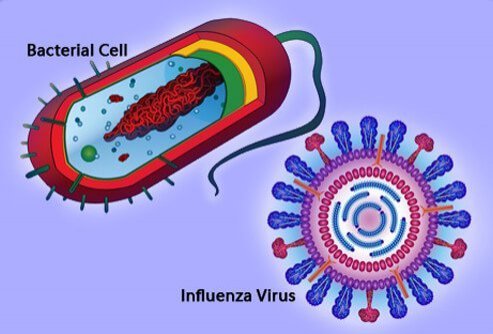
Bacteria, which are single cell organisms, are found almost everywhere. Some are airborne; others live in soil or water. Bacteria is not always just negative. There are a great number of bacteria that lives in our gastrointestinal tract (GIT) that aids in digestion and produce vitamins. When considering all the different strains of bacteria – there are only a few types that can actually make us sick.
Bacterial infections may make us sick in a similar way as a virus, but they have other properties too. Bacteria may multiply so rapidly in the host area, that the normal function of the cells are affected and disrupted, in some cases it might even kill cells and tissues. It can infect any area of the body. There are different types of bacteria – and the type will often determine the course of treatment. So, to just take any sort of antibiotic for a bacterial infection might cause more harm than good. Types of bacterial infections are: pneumonia, food poisoning, meningitis, sinus infection, Sexually transmitted infections. Bacterial types include streptococcus, staphylococcus and E. coli.
So, what is the difference between a virus and bacteria?
Firstly, they originate from different pathogens. Bacteria are larger and can multiply on their own, while viruses are much smaller and cannot multiply on their own. The virus instead infects a cell. Infiltrate the DNA of that cell and uses the cell’s normal repair and replicate function to make copies of itself. This explains why it is easier to treat a bacterial infection with antibiotic treatment. It kills the bacteria immediately by disrupting the process of bacterial cell growth. To treat a viral infection, where cell DNA has changed is much harder. Patients might also recover easier from a bacterial infection than a virus. Treatment for a virus often consists of symptom relief. Anti-viral treatment may be administered in certain cases which inhibits the production of the virus in the cells. However, this can only work when taken very early into the viral infection.
What effect does being sick have on the body?
Once you are feeling a little better, you usually start to get back to your normal life and routine. But your body took a few knocks. Your blood pressure, metabolism, respiratory system, ability to sleep, overall strength, concentration, mood, energy levels, appetite, blood circulation and immune system response (the list can go on) can be affected after an infection. Scarily enough it can last much longer than expected, well over a month to a year. It can affect you cognitively and functionally, and if left untreated can lead to long term complications and even have an effect on your life expectancy. Because the infection caused an abnormal stress to the body, you have to give yourself time to start healing, and gradually increase the load that you place on your system.
What do I do now?
There are a few steps that will really help you recover sooner and better:
1. Nutrition is key
Your body needs fuel, meaning – something to use so that you can function. Different parts of your body needs different things, for instance your bones and skin needs vitamin A to repair itself, vitamin C is needed for Collagen formation – which is an important protein in connective tissue.
There are certain foods which are better for healing, than others – for instance pineapple. It reduces swelling, bruising and pain and shortens healing time following trauma or surgery. Or foods with natural anti-inflammatory properties such as turmeric, ginger and cayenne pepper.
Eating regularly and often, even if it is small meals will help your body recover and fuel your activities as you are returning back to function. It is important to eat carbohydrates which provide energy; carbs are broken down into sugars when digested. Some carbohydrates digest slower than others, the longer it takes to break down the carb – the lower the chances of a blood sugar spike. These spikes can cause spark inflammation and lead to cellular damage, so it is best to avoid refined carbs while healing or recovering. The preferred carbs to eat are nuts, seeds, legumes and whole grains etc.
What types of food are good to eat?
Protein – These are the building blocks of cell repair, it is important to incorporate about 15-20% of your calories from protein. Plant-based proteins such as beans and nuts have advantages over animal-based proteins. In addition to cell-repairing properties, proteins can aid in healing and increase fiber.
Fruits and Vegetables – At least 5 servings a day can aid in healing, it is high in vitamins and minerals that can promote physical recovery. Vitamin C helps to heal wounds, strengthen blood vessels and ward of infections. Anti-oxidants, such as tomatoes, apricots, guavas, watermelon, papayas and grapefruit boost immune function. As a rule, dark coloured fruits and vegetables are richer than light ones.
Supplements – While there are a lot of supplements that you can take, it is best to get that information from your Doctor. Food, however is the best source of healing nutrients. Zinc is important for wound healing (beef, peanuts and lentils are rich in Zinc). Taking a multivitamin is also great in adding extra vitamins and minerals to add to your balanced diet.
2. Sleep is important
Sleep is very important, and you need about 7-8 hours a night. When recovering from an illness you need more rest than that, to give your body that chance to recovery. Some healing processes actually requires sleep to work, for instance Melatonin that is produced during sleep. This hormone is believed to boost your immune system, and help repair corrupted DNA. Your nervous system, intervertebral discs, metabolism and cell repair all needs sleep to function properly.
A lack of sleep can lead to an increased heart rate and blood pressure, which can put you at risk for further injury. Sleeplessness can harm recovery – but it is necessary to investigate why you feel that way.
3. Get yourself moving
Exercise is better than medicine! It has no side-effects, as certain medications do. The effect of immobility is far worse than getting up and moving a little – like going for a walk. Movement and exercise is important and it aids in healing of muscles, bones, tendons and ligaments. It stimulates the production of collagen, scar tissue and muscle fibres.
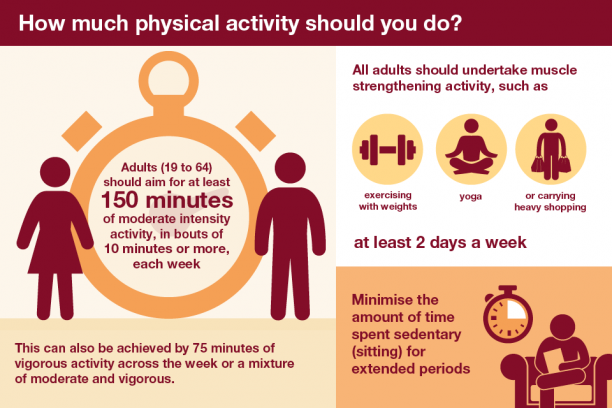
There is a misconception that to exercise you have to sweat, push up your heart rate and exhaust yourself – but after an infection, you do not want to put unnecessary stress on your body by going too hard too soon. So it is better to start slow, like going for a walk, doing gentle stretches and gradually building up your tolerance. Many people make the mistake of trying to start off where they left off before being sick, but the body will not be able to handle it. SO START SLOW! There are many types of exercise – non-weight bearing, weight bearing, aerobic, an-aerobic, stretch, strength, isometric exercises (another article will be written on all these topics). It is advised that we need about 150 minutes of physical activity per week – this can include any form of movement not necessarily hectic physical exercise.
To get an infection or illness is unavoidable, it is part of your life – but our bodies have the amazing ability to heal, and it wants to heal. There are many things that you can do to aid your recovery, and the process is easier than what you think. As soon as you start, you will realise that changing your lifestyle is something that happens step by step.
4. Look after your mental health
Your mental health is just as important, so make sure that you have an adequate support system, and communicate with your loved ones how you are feeling and the emotions that you are experiencing. Being sick can take it’s toll emotionally as well as physically. To recover from an infection affects your whole circle of people around you, and adequate support will make it easier for everyone.
What does this have to do with Physiotherapy?
As physiotherapists, we are trained to look at the body holistically. This includes overall health and wellbeing. When treating our patients, we have to consider your medical history and previous illnesses/infections or diseases that our patients might have suffered with. This helps to form the bigger picture of the patient, and enables us to treat each patient to their specific needs. We do not just treat muscles, bones and joints we are trained to assist in treating the biopsychosocial model – meaning the biological (symptoms in the body), Psychological (feelings regarding many aspects of life) and social (environment that the patient is in). We might not be able to change some of those aspects, but equip you to be able to handle them or cope better.
In the end, we only have this one body to live in for the rest of our lives, so how we treat it now, will determine how it treats us in a few years.